




SLOBODANKA BOBANA DABOVIĆ ĐURIĆ
Montenegro
- concert
Slobodanka Bobana Dabović Đurić (b. 1990) was born in Podgorica, Montenegro. She completed her primary and secondary music education at the "Vasa Pavić" School for Music and Ballet in Podgorica, majoring in Piano in the classes of Professors Miladin Peruničić and Anka Asanović. She earned both her Bachelor’s and Master’s degrees in Composition at the Academy of Arts in Novi Sad, under the mentorship of Professor Zoran Mulić.
Her works have been performed across the United States and throughout Europe as part of numerous festivals and projects, where she has collaborated with eminent performers from both the domestic and international cultural scenes. To date, she has held three solo authorial concerts: The Unshackling of Silence (Muzeji i galerije, Budva, 2015); a solo evening within the Young Montenegrin Female Composers project (KIC "Budo Tomović", 2017); and a solo authorial evening at the Music Center of Montenegro (Podgorica, 2023).
She has composed music for films, theatrical plays, and multimedia projects, collaborating with distinguished directors such as Obrad Nenezić, Dora Ružđak Podolski, Momir Matović, Aleksandar Vujović, Nataša Nelević, and Kosta Đorđević. She won first prize for best original musical composition for the film The Rainbow (Duga), directed by Aleksandar Vujović, at the international "Monthly Indie Shorts" film festival. Her original composition Dioclea served as the basis for a staged music-theatre piece.
In addition to her creative work, she has held lectures on music and composition as part of the Culture Up Rožaje project. Her piano composition Ad libitum improvisando No. 4, "Rukoveti" was featured on a CD produced by the magazine Musica Classica, while her work for cello and accordion, Božuri (Peonies), was released on the CD titled Reflections.
Na pragu vjekova (2025) is a piece for orchestra where ancient traces meet contemporary sound. Traditional motifs appear as subtle hints, refracted through dodecaphonic expression and a dense orchestral texture. The expressive flow of the music evokes a sense of myth—not as a narrative, but as a heritage in a state of constant reshaping. Past and present coexist in a sonic space where time loses its boundaries.
GUESTS
-

RAPHAELLA SMITS
Belgium | concert | master classes | jury
-

COSTAS COTSIOLIS
Greece | master classes | jury
-

FRANCISCO BERNIER / SEVILLA GUITAR DUO
Spain | concert | master classes | jury
-

ANTONIO DURO / SEVILLA GUITAR DUO
Spain | concert | master classes | jury
-

MANFRED STEFLITSCH
Austria | master classes | jury
-

PEDRO DE CASTRO QUARTET
Porugal | concert
-

SRĐAN BULATOVIĆ / BULATOVIĆ-NIKČEVIĆ DUO
Montenegro | concert | master classes
-

DARKO NIKČEVIĆ / BULATOVIĆ-NIKČEVIĆ DUO
Montenegro | concert
-

SLOBODANKA BOBANA DABOVIĆ ĐURIĆ
Montenegro | concert
-

ALEKSANDAR SIMIĆ
Serbia | concert
-

VLADIMIR GORBACH / AUSTRALIAN GUITAR QUARTET
Australia | concert | master classes | jury
-

SLAVA GRIGORYAN / AUSTRALIAN GUITAR QUARTET
Australia | concert | master classes | jury
-

LEONARD GRIGORYAN / AUSTRALIAN GUITAR QUARTET
Australia | concert | master classes | jury
-

ANDREW BLANCH / AUSTRALIAN GUITAR QUARTET
Australia | concert | master classes | jury
-

KAROL SAMUELČÍK / SLOVAK GUITAR TRIO
Slovakia | concert | master classes | jury
-

FILIP BABIĆ / SLOVAK GUITAR TRIO
Serbia | concert
-

AUGUSTÍN MUŠUTA / SLOVAK GUITAR TRIO
Slovakia | concert
-
.jpg)
SANDOR PAPP
Hungary | master classes | jury
-

SRĐAN GRUJIČIĆ & L ORCHESTRA
Francuska / Srbija | concert
-

TOHI HARADA
Japan | concert | jury
-

MOMČILO ALEKSANDRIĆ
Serbia | concert | master classes | jury
-

ZORAN ANIĆ
Serbia | jury
-

SRĐAN TOŠIĆ
Serbia | master classes | jury
-
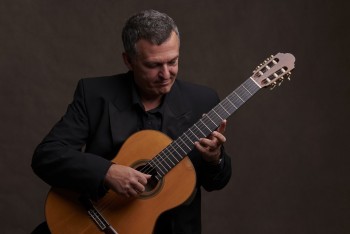
ALEKSANDAR HADŽI-ĐORĐEVIĆ
Serbia | master classes | jury
-
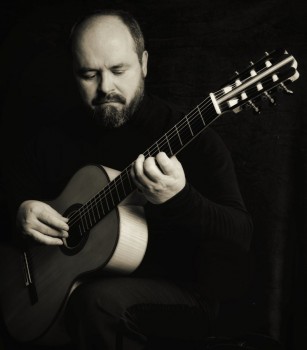
DARKO KARAJIĆ
Serbia | master classes
-
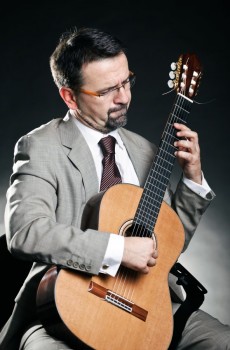
ZORAN KRAJIŠNIK
Serbia | master classes | jury
-

DADDARIO
USA
-

SAVAREZ
France
-

ACCORDCASE
Croatia
-

GUITAR SALON BELGRADE
Serbia